USA
USA

myGeobrugg

Bariery i ogrodzenia na torach wyścigowych firmy Geobrugg to pierwsze systemy z homologacją według normy FIA 3502-2018 Bariery ochronne. Nasze produkty zostały przebadane przez FIA i zapewniają ochronę dla widzów na wszystkich rodzajach torów wyścigowych, torach wyścigów ulicznych oraz poligonach doświadczalnych przy zastosowaniu zaawansowanych technologii. Firma Geobrugg jest uznanym ekspertem w zakresie doradztwa, projektowania, produkcji i dostawy oraz instalacji. Nasze systemy barier doskonale sprawdzają się podczas wyścigów Formuły 1, Formuły E, World Rallycross, Moto GP, na poligonach doświadczalnych i w prywatnych obiektach do organizacji wyścigów.
 

Tory wyścigowe

Tory wyścigowe

Bariery i ogrodzenia na torach wyścigowych firmy Geobrugg to pierwsze systemy z homologacją według normy FIA 3502-2018 Bariery ochronne. Nasze produkty zostały przebadane przez FIA i zapewniają ochronę dla widzów na wszystkich rodzajach torów wyścigowych, torach wyścigów ulicznych oraz poligonach doświadczalnych przy zastosowaniu zaawansowanych technologii. Firma Geobrugg jest uznanym ekspertem w zakresie doradztwa, projektowania, produkcji i dostawy oraz instalacji. Nasze systemy barier doskonale sprawdzają się podczas wyścigów Formuły 1, Formuły E, World Rallycross, Moto GP, na poligonach doświadczalnych i w prywatnych obiektach do organizacji wyścigów.

Systemy
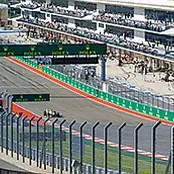
Debris Fence

Debris Fence

The standard at the races - Debris Fence
Mobile Debris Fence

Mobile Debris Fence

Temporary and safe - Geobrugg mobile debris fence for the races
Ściana oddzielająca tor główny od alei serwisowej

Ściana oddzielająca tor główny od alei serwisowej

Jednym z kluczowych miejsc na torze wyścigowym jest ściana oddzielająca aleję serwisową i tor (pit wall). To obszar, gdzie gromadzi się publiczność i przedstawiciele mediów i gdzie liczy się pierwsze wrażenie.

FAQ

How does Geobrugg contribute to sustainability in motorsport safety?

Geobrugg integrates sustainability throughout the design, production, and delivery of its safety solutions. Key initiatives include:

  • Resource efficiency: High-tensile steel provides exceptional strength while using less material, reducing transport and installation impacts.
  • Carbon reduction: Localized production and optimized logistics help minimize emissions across global projects.
  • Circular economy: Durable, recyclable steel components are designed for a long service life, often lasting for decades.

These efforts were independently assessed as part of the FIA accreditation process, which evaluated areas such as energy use, supply chain management, transport planning, and waste reduction.

What is the FIA Three-Star Environmental Accreditation, and why is Geobrugg’s achievement significant?

The FIA Three-Star Environmental Accreditation is the highest level of recognition in the FIA Environmental Accreditation Program. It is awarded to organizations that demonstrate environmental best practice and a strong commitment to continuous improvement through a robust environmental management system.

In 2026, Geobrugg is the first circuit safety solution provider worldwide to receive this accreditation. This milestone demonstrates that high-performance motorsport safety infrastructure and environmental responsibility can go hand in hand, supporting the FIA’s goal of achieving Net Zero across the motorsport ecosystem by 2030.

When did Geobrugg start in Motorsport? When was the first Geobrugg motorsport barrier installed?

In 2011, at the Circuit Dijon Prenois, France, Geobrugg officially installed the first debris fence. The solution is especially dedicated to protecting the audience.

How do the motorsport fences protect the drivers?

... (nicht nötig ...) Bla bla

How many fences has Geobrugg installed in motorsport and at races so far?

...

Can the Geobrugg motorsport fences also be used for other purposes?

Mobile motorsport fences can be used as road fences, e.g., for temporary protection of works or for rockfall protection. Contact us to discuss special interventions.

In which locations do I have to install a debris fence?
All spectator areas need to be protected with a debris fence. In addition, debris fences may be required in areas with a high likelihood of impact, in accordance with the circuit simulation.
When do I use a debris fence?
The debris fence is used at permanent facilities. The Geobrugg solution features 6 m post spacing, which is unique in the market. This improves visibility for spectators while maintaining the high FIA safety standard. Further advantages include a reduced likelihood of post impact, fast installation, and a reduced carbon footprint.
When do I use a mobile debris fence?
A mobile debris fence is used for all temporary installations, such as street circuits. In addition, a mobile debris fence is used in areas with limited space, as the total setup is significantly reduced compared to a permanent debris fence installation with a guardrail in front. Geobrugg also recommends using a mobile debris fence or concrete barrier in high-impact areas, as repair time is reduced compared to a conventional setup.
Which heights of FIA Homologated systems are available?
The typical height requested by the FIA in front of spectators is 3.5 m. Geobrugg also offers a 4.5 m high mobile debris fence solution and a 6 m high debris fence solution. Higher debris fences are required in areas with a high risk factor and in areas with high exposure to debris.
Can I upgrade my existing concrete barrier?
If you are using a slip-formed concrete barrier, an upgrade with an FIA Homologated sleeved system is possible, and our sales experts will be happy to support you. If you are using another type of concrete barrier, the situation needs to be evaluated on a case-by-case basis.

Kontakt

Marty Hunt
     

Marty Hunt

Sales & Project Manager Motorsport

Motorsport